How Answer Engines Evaluate Trust
Ask Perplexity a question about Boston's startup scene and watch what happens. The tool doesn't just generate an answer, it picks specific sources to back that answer up, and those citations often come from pages that never ranked particularly high on Google. Something else is driving the selection, and for founders and content teams trying to get noticed, understanding that something else matters more than another round of link building.
Large language models scan the web differently than traditional crawlers. They break pages into chunks, weigh how clearly each chunk answers a question, and cross reference that against other sources saying similar things. A well written paragraph with a direct answer near the top has a real shot at being pulled into a chat response, even from a smaller site. This is genuinely good news for Boston tech companies that can't outspend bigger competitors on traditional SEO.
Content decay quietly wrecks citation odds too. Outdated stats, broken examples, and stale product references all signal to an answer engine that a page isn't a safe bet to quote, which is why running pages through a content decay guide before an AI push can save months of wasted output.
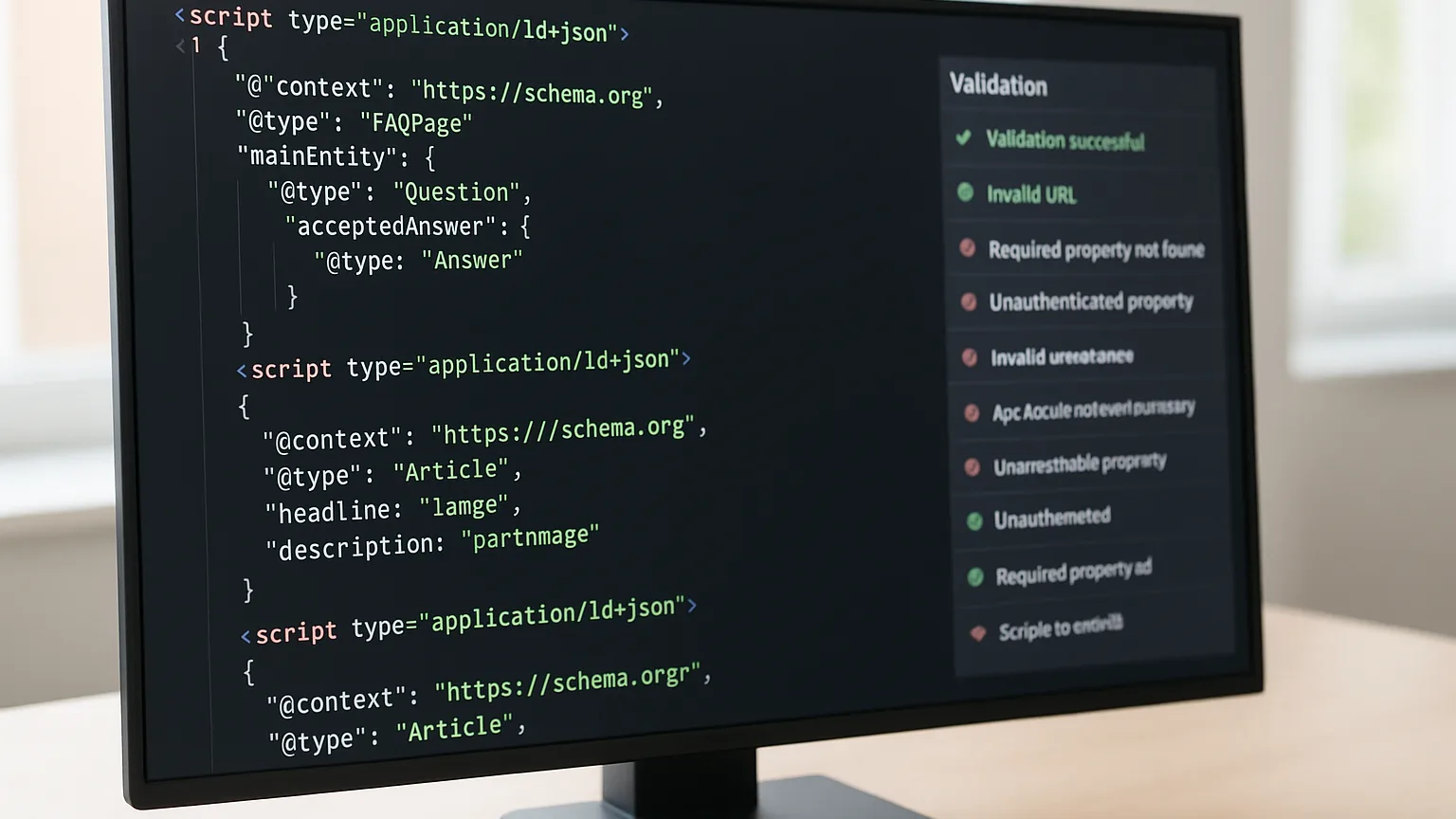
Trust, in this context, isn't abstract. It's measurable in specific ways, and the pages that keep showing up in generated answers tend to share a handful of technical and structural habits that have nothing to do with domain authority.